
Underrated Materials in Architecture & Interior Design
When people think about architecture and interior design, familiar materials like glass, steel, and concrete usually come to mind. But many of the most effective commercial spaces rely on materials that don’t always get the spotlight…
At George Armour Ewart Architect, material selection is about more than appearance. It’s about how a space functions day to day, how it supports the people using it, and how it holds up over time. Whether you’re exploring commercial architecture services or simply curious about how designers think through material choices, these underrated materials offer major advantages in durability, comfort, acoustics, and sustainability.
Why Material Choices Matter in Commercial Architecture & Interior Design
First things first: It’s important to understand why selecting the right materials matters so much. In commercial architecture and interior design, material choices go far beyond aesthetics, often playing a key role in how a space performs over time. Material choices can influence everything from durability and maintenance to comfort and the overall user experience.
When designers understand how materials age, function, and adapt to daily use, they’re able to create spaces that truly work for the people inside them. Choosing these “underrated” materials isn’t about chasing trends, but about making informed design decisions that support efficiency, longevity, and long-term value.
1. Carpet in commercial interior design
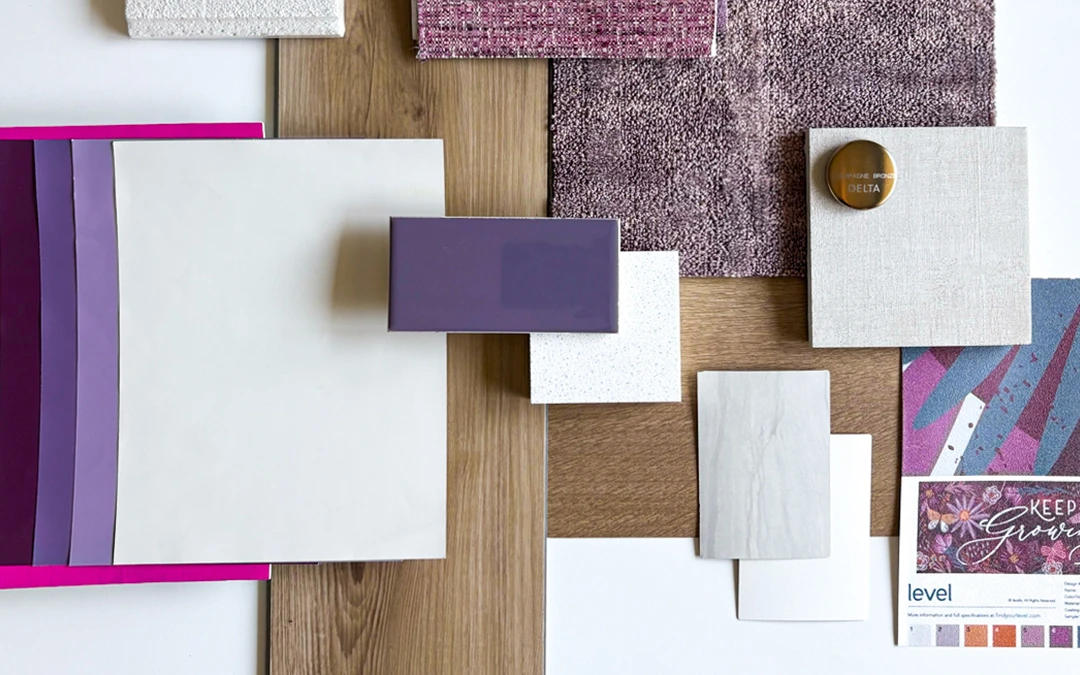
While often overlooked in favor of hard surfaces, carpet is an underrated material for many commercial interiors. When used intentionally, carpet helps reduce noise, adds comfort underfoot, and supports flexible space layouts without drawing attention to itself.
Carpet works especially well in environments like offices, healthcare facilities, and education spaces, where sound control and day-to-day usability matter. Modular carpet systems, often referred to as carpet tiles, also make maintenance simpler over time, since individual sections can be replaced as needed rather than removing an entire floor.
2. Reclaimed wood and salvaged brick
Reclaimed materials bring a sense of character that’s difficult to replicate with new products. Reclaimed wood adds warmth and visual depth, often showing natural variation that gives a space personality without feeling over-designed. Salvaged brick offers similar benefits, providing texture and durability while helping reduce construction waste.
In commercial architecture and interior design, these materials are often used as accents or focal points, allowing spaces to feel grounded and authentic while supporting more sustainable material use.
3. Cork and bamboo as sustainable material options
Cork and bamboo may not be the first materials people think of in commercial architecture and interior design, but both offer practical advantages that make them worth a closer look.
Cork is naturally renewable and has built-in acoustic and insulating properties, which can help soften busy environments while supporting energy efficiency. It also adds warmth and texture without feeling overly formal or trendy.
Bamboo is another sustainable option that continues to gain traction. Because it grows quickly and regenerates easily, it provides a responsible alternative to traditional wood products. In commercial interiors, bamboo can be used in flooring, wall applications, and other finishes where durability and visual consistency are important.
4. Recycled plastics and upcycled interior materials
Recycled plastics and other upcycled materials are becoming more common in commercial interiors due to their versatility and durability. These materials can be transformed into furniture, wall panels, flooring, and decorative elements that balance creativity with eco-friendly, long-term performance.
The Environmental Protection Agency (EPA) reports that Construction and Demolition (C&D) debris accounts for a significant portion of our nation’s total waste stream, making material reuse an increasingly important part of responsible design. By incorporating these often-underrated materials, architects and designers can help extend the life of existing resources while creating interior elements that are durable, intentional, and well-suited for high-use commercial environments.
5. Smart glass and acoustic panels
Some underrated materials don’t stand out visually, but they play a major role in how a space functions. Smart glass helps control light and heat, improving energy efficiency while maintaining open, light-filled interiors.
Acoustic panels are equally important in commercial environments, managing sound in offices, healthcare spaces, and shared areas without disrupting the overall design. These materials support comfort and usability while allowing architects and interior designers to maintain clean, cohesive aesthetics.
6. Traditional materials reimagined for modern interiors
Traditional materials like clay and ceramics continue to be reimagined in modern commercial architecture and interior design. These materials are durable, widely available, and often require less energy to produce than synthetic alternatives. Their natural textures and finishes help create interiors that feel timeless and grounded, while still meeting modern performance expectations.
What It Looks Like to Work with a Knoxville Design Firm
Exploring materials is an essential part of designing thoughtful commercial spaces. From proven, thoughtfully-selected materials to emerging ideas shaping future conversations, each choice reflects how a space is meant to function, endure, and support the people who use it.
Whether you’re exploring commercial architecture and interior design solutions for your business or considering a career in Knoxville architecture or design, understanding these material decisions offers a clearer look at how great spaces come together — through curiosity, experience, and intentional design.
For those interested in joining a team of collaborative, future-forward Tennessee architects and interior designers, contact us online or email info@georgeewart.com for more information about open positions with our firm.